The Cast Iron Skillet That Taught Me How to Cook a Real Steak — Carnivore Diet Steak Guide
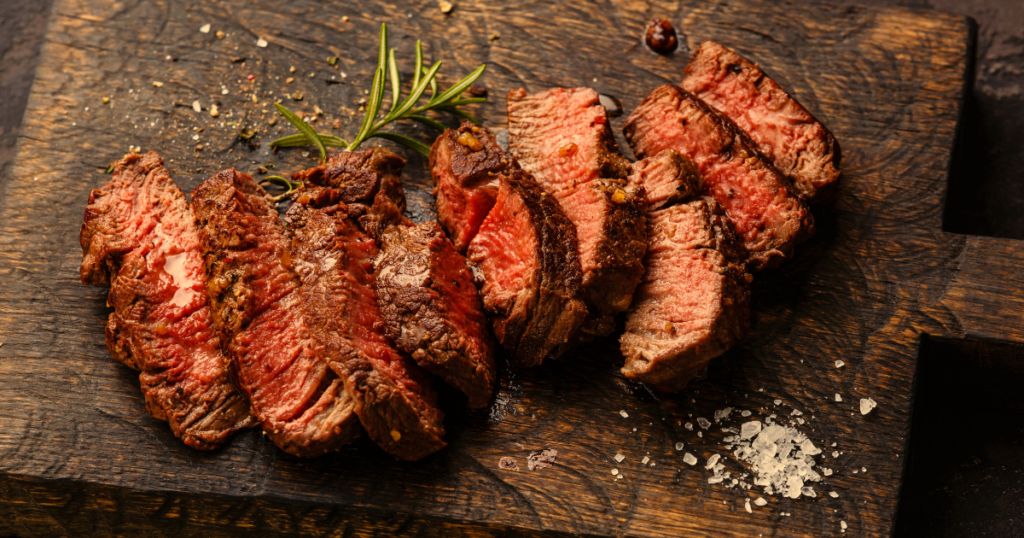
The first steak I ever cooked on the carnivore diet was gray.
Not brown. Not crusted. Gray.
I stood over a thin nonstick pan and watched a beautiful ribeye sweat and steam in its own juices. I poked it. I flipped it. I flipped it again. I cut into it to “check,” and then I ate it anyway, chewing through something that tasted like disappointment and cost me fourteen dollars.
I remember thinking: If this is the diet, I’m not going to make it.
It wasn’t the diet.
It was the pan.
The Steak Was Never the Problem
Here’s what nobody tells you when you go carnivore.
Everyone argues about what you eat. Grass-fed or grain-finished. Ribeye or strip. Butter or tallow. Once a day or twice.
Almost nobody talks about how you cook it.
And when meat is your whole plate, meaning breakfast, dinner, and everything in between, the way you cook it isn’t a detail anymore.
It’s the whole thing.
A badly cooked steak doesn’t just taste worse. It makes you want to quit. It sends you looking for sauces, sides, anything to cover up the fact that you’re not enjoying your food. And a diet you don’t enjoy is a diet you won’t keep.
So I did something simple. I bought a cast iron skillet.
A heavy, black, unglamorous slab of iron. The same kind of pan my grandmother cooked in every morning of her life.
And that pan taught me how to cook a real steak.
Why Cast Iron Is the Best Pan for the Carnivore Diet
I’m not a gear guy. I don’t collect kitchen gadgets. But cast iron earned its place on my stove for three reasons.
It holds heat. A thin pan drops in temperature the second cold meat hits it. That’s how you get the gray, steamed steak I described. Cast iron is heavy, and all that mass keeps the heat steady. The surface stays hot enough to sear instead of boil.
It builds a crust. That deep brown, savory crust is the Maillard reaction, where proteins and sugars on the meat’s surface brown under high heat. It’s where most of a steak’s flavor lives, and cast iron is one of the best tools there is for it.
It lasts forever. Nonstick coatings wear out. A well-kept cast iron skillet gets better every time you use it. Every steak, every egg, every strip of bacon adds another thin layer of seasoning.
If you’re starting out, the classic choice is a 12-inch pre-seasoned skillet. It’s affordable, it’s nearly indestructible, and it’s big enough for two ribeyes at once:
👉 Lodge cast iron skillet on Amazon
That’s the pan I’d buy again tomorrow.
How to Cook the Perfect Carnivore Steak in Cast Iron
This is the method I use almost every day. No marinades, no rubs, nothing fancy.
1. Start with a thick cut
Thin steaks overcook before they ever brown. Look for ribeye, New York strip, or sirloin at least 1 to 1½ inches thick. Ribeye is my go-to because its fat content suits the carnivore diet perfectly.
2. Dry it off
Pat the steak dry with a paper towel. Moisture is the enemy of a crust. A wet surface steams, and a dry surface sears.
3. Salt it early
Salt generously on both sides. If you have time, salt it 40 minutes to a few hours ahead and leave it uncovered in the fridge. The salt pulls moisture out, dissolves, and then gets reabsorbed deep into the meat. If you don’t have time, salt it right before it hits the pan. The one mistake to avoid is salting it five minutes before, which leaves the surface wet.
On carnivore, salt is doing more than seasoning. It’s one of your main electrolytes. I use a coarse, unrefined mineral salt:
👉 Coarse mineral salt on Amazon
4. Preheat longer than you think
Put the skillet on medium-high heat for 5 to 7 minutes. Cast iron heats slowly and unevenly at first, so patience here is everything. When a drop of water skitters and vanishes instantly, you’re ready.
5. Use animal fat
Add a spoonful of beef tallow or bacon fat. Tallow handles high heat well and it’s 100% carnivore. When it shimmers, lay the steak down away from you.
Then leave it alone.
That was my biggest mistake on the gray-steak day. I kept poking it. A steak needs uninterrupted contact with hot iron to build a crust.
6. Flip, then baste with butter
After about 3 to 4 minutes, when it releases easily and shows a deep brown crust, flip it. For the last minute or two, drop the heat slightly, add a big knob of butter, tilt the pan, and spoon the foaming butter over the steak again and again.
This is the part of the day I look forward to most.
7. Stop guessing and use a thermometer
This one changed everything for me. Instead of cutting into the steak to “check,” I use an instant-read thermometer:
👉 Instant-read meat thermometer on Amazon
Pull the steak about 5°F before your target, because it keeps cooking as it rests:
| Doneness | Pull at | Final temp |
|---|---|---|
| Rare | 115–120°F | 120–125°F |
| Medium-rare | 125–130°F | 130–135°F |
| Medium | 135–140°F | 140–145°F |
8. Let it rest
Five to ten minutes on a plate or cutting board. The juices settle back into the meat instead of running all over your plate.
Then eat it. Slowly.
For Thick Steaks: The Reverse Sear
If you’ve got a monster cut, 2 inches or more, try the reverse sear. Put the salted steak in a 250°F oven until it’s about 10 to 15 degrees below your target. Then finish it in a screaming-hot cast iron skillet for about a minute per side.
You get edge-to-edge pink inside and a hard crust outside.
It feels like cheating. It isn’t.
Caring for Your Cast Iron (It’s Easier Than You Think)
People are scared of cast iron because they’ve heard it’s “high maintenance.” It isn’t. Here’s all I do:
- Clean it while it’s warm. Hot water and a stiff brush or chainmail scrubber take care of almost everything. A small drop of mild soap is fine on a seasoned pan. Just don’t soak it.
- Dry it completely. Put it back on the burner for a minute until every drop of water is gone. Water left on the surface causes rust.
- Wipe on a thin layer of fat. A little tallow or oil, wiped almost dry with a paper towel.
That’s it. A chainmail scrubber makes cleanup take about thirty seconds:
👉 Cast iron chainmail scrubber on Amazon
And if you ever get rust? Scrub it off, dry it, oil it, and bake it upside down in the oven for an hour. Cast iron forgives you. That’s part of why I love it.
What the Pan Really Taught Me
Somewhere along the way, cooking stopped being a chore.
I started noticing the ritual. The sound of fat hitting hot iron. The smell of butter browning. The weight of the pan in my hand, the same weight my grandmother felt every morning for decades.
Every time I cook, I’m adding another layer to that seasoning. Another meal. Another morning. Another small act of taking care of myself.
That’s what the carnivore diet became for me. It wasn’t about restriction anymore. It was about attention. Paying attention to my food, to my body, to what I’m putting into myself and how.
I’ve come to believe that the energy you cook with goes into what you eat. Rushed, resentful cooking feeds you differently than slow, grateful cooking. Maybe that sounds strange coming from a guy writing a steak guide. But I’ve spent years working with energy healing, and I can’t unsee it anymore. Your kitchen can be a sacred space. Your stove can be an altar. A meal can be a blessing.
If that idea speaks to you, it’s the same intention behind the distant Reiki and energy healing sessions I offer in my Etsy shop, Holistic Art Studio. It’s the same care, just turned inward, toward the body you’re working so hard to heal.
Final Thoughts
A good steak isn’t complicated. It comes down to heat, salt, fat, patience, and a pan that can take it.
Get the skillet. Dry the steak. Salt it early. Leave it alone.
And when it comes off that iron with a crust you can hear when you cut it, take a second before you eat.
You earned that steak.
Cook it like it matters.
Disclaimers:
Affiliate Disclosure: As an Amazon Associate, I earn from qualifying purchases. Some links in this article are affiliate links, which means I may earn a small commission at no extra cost to you if you make a purchase. I only recommend products I believe are genuinely useful for the carnivore lifestyle.
Medical Disclaimer: This article is based on my personal experience and is for informational purposes only. It is not medical advice. The carnivore diet is not right for everyone. Please consult your doctor or a qualified healthcare provider before making significant changes to your diet, especially if you have a medical condition or take medication. Always follow USDA food safety guidelines when cooking meat.
Energy Healing Disclaimer: Reiki and energy healing are complementary practices and are not a substitute for medical diagnosis or treatment.