The Carnivore Thanksgiving Turkey Recipe That Finally Earned Its Place at the Table
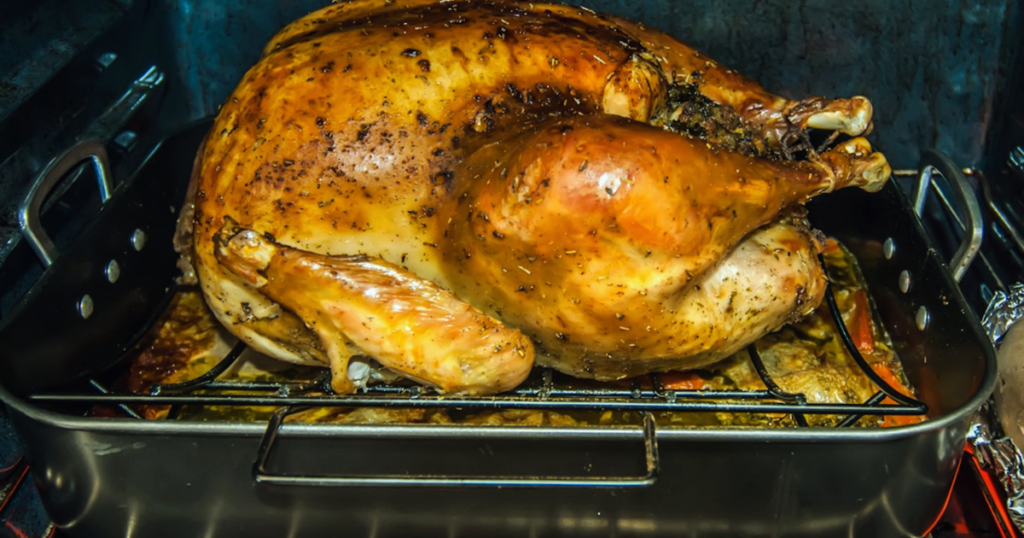
For most of my life, the turkey was the least important thing on my Thanksgiving plate.
I’d take two dry slices of white meat, bury them under stuffing, mashed potatoes, and sweet potato casserole with the marshmallows on top, and then go back for pie.
The turkey was just a reason to have gravy.
I remember one Thanksgiving I ate so much that I fell asleep on the couch before the game ended and woke up feeling like I’d been hit by a truck. Heavy. Foggy. Bloated. I blamed the turkey. Everybody blames the turkey.
It was never the turkey.
The Bird Everyone Blames
An old myth says turkey makes you sleepy because of tryptophan.
Turkey does contain tryptophan, but not much more than chicken or beef. What knocks people out on Thanksgiving is everything around the turkey: the mountains of starch and sugar, the rolls, the pie, the second pie.
When I went carnivore, my first Thanksgiving scared me. What would I even eat?
Then it hit me.
The turkey was the only thing on that table my body had actually wanted all along.
So I stopped treating it like a side character. I learned to cook it properly, with salt, butter, heat, and a thermometer. And for the first time, the turkey was the best thing on the table.
This is how I make it.
What Makes This a Carnivore Turkey
Most turkey recipes are built on things carnivores skip: herb rubs, bread stuffing, flour-thickened gravy, maple glazes.
This one is built on four things:
- Salt to season deeply and keep the meat juicy
- Butter for flavor and crispy skin
- Heat managed carefully so the breast doesn’t dry out
- A thermometer so you never guess again
If you eat animal-based rather than strict carnivore, you can add fresh thyme, rosemary, or sage to the butter. But you don’t need them. A well-salted, well-cooked turkey stands on its own.
What You’ll Need
Ingredients
- 1 whole turkey, 12 to 14 lbs (pasture-raised if you can find it)
- Coarse salt, about 1 teaspoon per pound (use about half that if using fine salt)
- 1 cup (2 sticks) salted butter, softened
- 2 to 3 tablespoons beef tallow or duck fat, melted
- The neck and giblets from the turkey
- 2 cups bone broth
- 1 to 2 teaspoons unflavored beef gelatin (optional, for thicker gravy)
Tools that make this easier
- A heavy roasting pan with a rack, which lifts the bird so heat circulates, and the skin crisps all over
- A leave-in probe thermometer, the single best Thanksgiving tool you can own. It sits in the breast the whole time and alerts you when the turkey is done, so you never have to open the oven door and guess
- Sturdy poultry shears, if you plan to spatchcock
- A fat separator for the gravy
- A long, sharp carving knife
Step 1: Thaw It Properly
If your turkey is frozen, thaw it in the refrigerator. Plan on about 24 hours for every 4 to 5 pounds. A 14-pound turkey needs three full days.
Never thaw it on the counter.
People forget this step, so mark it on your calendar now.
Step 2: Dry Brine With Salt
This is the secret. No bucket of salt water, no mess.
Remove the neck and giblets and save them for the gravy. Pat the turkey completely dry with paper towels, inside and out.
Sprinkle the salt evenly over every surface: breasts, legs, wings, back, and a little inside the cavity. Rub it in.
Set the turkey on the rack in your roasting pan and put it in the fridge uncovered for 1 to 3 days.
The salt draws moisture out, dissolves into it, and then gets pulled back deep into the meat. It seasons the turkey all the way through and helps the proteins hold onto their juices during roasting. Leaving it uncovered dries out the skin, which is what makes it crisp and crackle later.
For the best flavor, I use a coarse, unrefined mineral salt.
Step 3: Butter Under the Skin
Take the turkey out of the fridge about an hour before roasting.
Slide your fingers gently under the skin of the breast and thighs to loosen it. Take care not to tear it.
Push the softened butter under the skin in thick pats and smooth it out from the outside with your hands. Brush the outside of the skin with melted tallow.
The butter bastes the meat from the inside while the tallow helps crisp the skin.
Don’t add salt this time. The dry brine already did that job.
Step 4: Roast It
You’ve got two options.
Option A: The Classic Whole Bird
Preheat your oven to 325°F. Tuck the wing tips under the body and put the turkey breast-side up on the rack.
Put the probe thermometer into the thickest part of the breast, without touching bone.
Roast for roughly 13 to 15 minutes per pound, so about 3 to 3½ hours for a 14-pound bird. Ovens vary, so trust the thermometer, not the clock.
If the skin browns too fast, tent the breast loosely with foil.
Option B: Spatchcocked (My Favorite)
Spatchcocking means cutting out the backbone and pressing the turkey flat. It cooks faster and more evenly, and every inch of skin crisps.
Use sturdy poultry shears to cut down both sides of the backbone. Flip the bird, press hard on the breastbone until it cracks flat, and do this before the dry brine in Step 2.
Roast at 425°F for about 80 to 100 minutes for a 12 to 14-pound bird.
Save the backbone. It goes into the gravy.
Step 5: Know When It’s Done
Here’s the target:
| Location | Remove from oven at | Safe final temp |
|---|---|---|
| Thickest part of breast | 160°F | 165°F |
| Thickest part of thigh | 170–175°F | 175°F+ |
The turkey keeps cooking as it rests, so the breast will climb to 165°F on the counter. Before you carve, check it once more with an instant-read thermometer to confirm it hit 165°F.
This is the difference between dry turkey and the best turkey you’ve ever eaten. A few degrees.
Step 6: Rest It
Move the turkey to a cutting board and let it rest 30 to 45 minutes, loosely tented with foil.
It won’t get cold. A big bird holds its heat for a long time. Resting lets the juices settle back into the meat instead of running all over the board.
Use this time to make the gravy.
Step 7: Carnivore Pan Gravy (No Flour)
While the turkey roasts, simmer the neck, giblets, and backbone (if you spatchcocked) in the bone broth for about an hour. Strain it.
When the turkey comes out, pour the pan drippings into a fat separator so you can pour off the rich juices from the bottom and leave the fat behind.
Set the roasting pan over two burners on medium heat. Pour in the strained broth and the defatted drippings. Scrape up every brown bit from the bottom of the pan. Those bits are the flavor.
Simmer until it reduces by about a third.
For thicker gravy, sprinkle the gelatin over a few tablespoons of cold broth, let it bloom for five minutes, and whisk it in. Finish by whisking in two or three tablespoons of cold butter, one at a time, off the heat.
Taste it. Add salt only if it needs it.
It’s rich, glossy, and made from nothing but the animal.
Step 8: Carve It Like You Mean It
Remove the legs and thighs first, then the wings. Slice each breast off the bone in one piece, then cut it crosswise into thick slices. You get more juice and more skin on every piece that way.
A long, sharp carving knife makes this easy instead of messy.
Don’t Throw Away the Carcass
The day after Thanksgiving, put the carcass in your biggest pot, cover it with water, add a splash of vinegar, and simmer it low for 12 to 24 hours.
That’s turkey bone broth. Collagen, minerals, and warmth for weeks. On carnivore, nothing gets wasted.
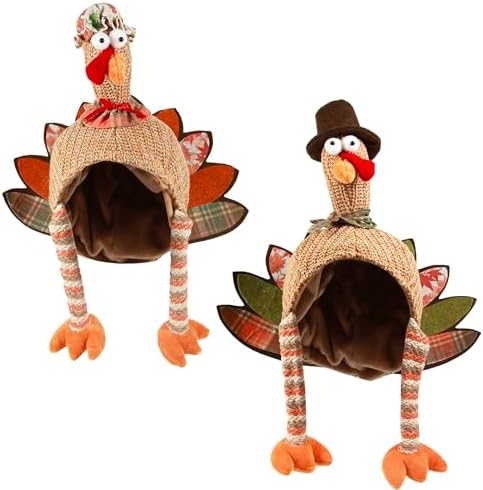
- polyester
- 【Funny Turkey Design】-This turkey hat set includes the delightful Mr. Turkey wearing a dark brown hat and a tricot scarf…
- 【Package and Size】Every turkey hat set contains a Mr. Turkey and a Mrs. Turkey.The hat comes in one size and is suitable…
What Thanksgiving Means to Me Now
Thanksgiving used to be about fullness. Eating until I couldn’t move.
Now it’s about something else. It’s about gratitude, the real kind.
Before I carve, I stop for a moment and give thanks. For the animal that gave its life to feed my family. For the farmer who raised it. For the hands around the table. For another year in this body.
It’s a short prayer. Sometimes silent. But it changes how the meal lands in me.
I’ve also learned the holidays can be heavy in ways that have nothing to do with food. Old family tension. People missing from the table. Grief that shows up uninvited every November. You can eat perfectly and still carry all of that into the room.
Final Thoughts
For years, I blamed the turkey.
Turns out it was the only honest thing on the plate.
Salt it early. Butter it well. Trust the thermometer. Let it rest.
Then give thanks, and eat as it matters.
Disclaimers:
Medical Disclaimer: This article is based on my personal experience and is for informational purposes only. It is not medical advice. The carnivore diet is not right for everyone. Please consult your doctor or a qualified healthcare provider before making significant changes to your diet, especially if you have a medical condition or take medication.
Food Safety Disclaimer: Always follow USDA food safety guidelines. Poultry must reach an internal temperature of 165°F in the thickest part of the breast, thigh, and wing to be safe to eat. Thaw turkey in the refrigerator, never at room temperature, and refrigerate leftovers within two hours of cooking.
Affiliate Disclosure: As an Amazon Associate, I earn from qualifying purchases. Some links in this article may be affiliate links, which means I may earn a small commission at no extra cost to you if you make a purchase. I only recommend products I believe are genuinely useful for the carnivore lifestyle.