Carnivore Diet on a Budget: How to Eat Meat-Based Without Breaking the Bank

“Isn’t the carnivore diet expensive?”
It’s one of the most searched questions about eating meat-based — and it’s a fair one. Social media is full of thick ribeyes, wagyu and grass-fed everything.
But that’s the highlight reel.
Most people who stick with carnivore long term eat far more ground beef than filet mignon. And when you stop buying snacks, sodas, cereal, chips and takeout, the grocery bill often looks very different than expected.
Here’s how to keep it affordable.
Why Carnivore Can Cost Less Than You Think
A standard grocery cart is full of things that don’t fill you up for long: crackers, bread, granola bars, juice, packaged snacks.
On carnivore, almost all of that disappears.
What’s left is simpler — meat, eggs, salt, maybe butter. Because protein and fat are filling, many people naturally eat fewer meals and stop grazing between them.
The real question isn’t “Is meat expensive?” It’s “How much am I spending on food overall?” For a lot of households, that number goes down.
If you’re new and still figuring out what belongs on your plate, start with what you can eat on a strict carnivore diet.
The Best Budget Cuts
These are the workhorses of affordable carnivore:
80/20 ground beef. Cheap, fatty, versatile. Usually the lowest cost per pound of any beef.
Chuck roast. Tough when grilled, perfect when slow-cooked. One roast feeds a family for days.
Pork shoulder. Often one of the cheapest meats in the store, and it shreds beautifully.
Chicken thighs (skin-on). Cheaper and fattier than breasts — a better fit for carnivore.
Eggs. Even when prices rise, eggs remain one of the least expensive sources of high-quality protein.
Beef liver and heart. Organ meats are some of the most nutrient-dense foods you can buy — and often the cheapest.
Save steaks for weekends or sales. Ground beef can carry the rest of the week.
Buy in Bulk (and Freeze It)
This is where the real savings happen.
Warehouse clubs. Large packs of ground beef, roasts and eggs are usually much cheaper per pound. Here’s a full guide on how to shop for the carnivore diet at Costco.
Quarter or half cow. Buying directly from a local farm can bring the price of steaks, roasts and ground beef down to one average cost per pound. You’ll need freezer space.
Manager’s specials. Meat close to its sell-by date is often marked down heavily. Buy it, freeze it the same day, and use it within a few months.
Family packs. Bigger packs almost always cost less per pound than small ones.
A dedicated freezer pays for itself quickly once you start buying this way.
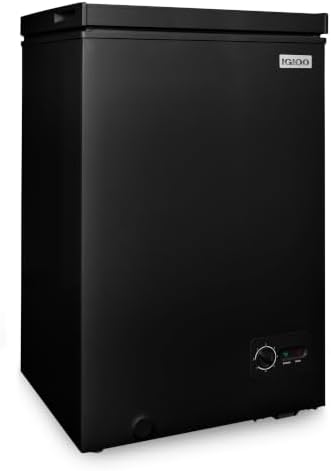
- Spacious Capacity: Our black deep freezer offers 5.0 cu ft of storage while staying compact enough for homes and garages…
- Quick Freezing System: This chest freezer uses a D-type refrigeration tube for fast freezing to cool quickly and keep fo…
- Precise Temperature Control: This upright deep freezer has an adjustable thermostat to keep food at your chosen temperat…
Don’t Waste the Fat
On carnivore, fat is fuel — and it’s free when you save it.
Strain bacon grease into a jar. Render trimmings into tallow. Use drippings from roasts to fry eggs or brown ground beef. You’ll rarely need to buy cooking fat again.
Learn how to make your own in this guide to beef tallow.
How Much Meat Will You Actually Need?
Budgeting is easier when you know your numbers. Most adults on carnivore eat somewhere around 1 to 2 pounds of meat per day, depending on size, activity and appetite.
For a detailed breakdown, see how much meat to eat on carnivore. Feeding a whole household? This guide covers how much beef a family of four needs per week.
Simple Ways to Stretch Your Budget
Plan two “base” meals. Ground beef and eggs can cover most days. Add a roast or a pack of thighs for variety.
Cook once, eat twice. Make a big batch and keep leftovers ready. Make-ahead breakfasts like carnivore egg muffins save money and time.
Skip the specialty products. Carnivore-branded snacks and supplements are convenient, but they add up fast. Real food comes first.
Don’t overbuy steaks. Expensive cuts aren’t required to get results.
Shop the sales cycle. Many stores rotate meat sales. Stock up when your favorites hit their lowest price.
Cheap Cuts by Animal
Beef gets most of the attention, but mixing animals is one of the easiest ways to save.
Beef: ground beef, chuck roast, brisket point, beef heart, liver, shank.
Pork: shoulder (Boston butt), belly, ribs, ground pork, pork chops on sale.
Chicken: thighs, drumsticks, whole chickens, chicken livers.
Seafood: canned sardines, canned salmon and mackerel are affordable, shelf-stable and rich in omega-3s.
Lamb: often pricier, but ground lamb and shoulder chops can go on sale.
Rotating between these keeps meals interesting and lets you buy whatever is cheapest that week.
Common Budget Mistakes
Buying only lean meat. Lean cuts are often more expensive and less filling. Fat keeps you satisfied longer.
Ignoring eggs. They’re cheap, quick and nutrient-dense.
Buying too much at once without a plan. Meat that gets freezer-burned is money wasted. Label and date everything.
Paying for convenience. Pre-marinated, pre-cut and pre-cooked meat costs more per pound.
A Sample Budget Day
Here’s what an affordable carnivore day can look like:
Morning: 3–4 eggs fried in saved bacon grease.
Afternoon: a pound of 80/20 ground beef patties with salt.
Evening (optional): leftover chuck roast or a few chicken thighs.
Simple, filling and far cheaper than restaurant meals.
Is Grass-Fed Required?
Short answer: no.
Grass-fed and grass-finished beef has a slightly different fat profile and many people prefer it. But conventional beef is still nutrient-dense, and plenty of people eat it with good results.
If budget is tight, buy conventional fatty cuts and spend the savings on variety — eggs, organ meats and fish. You can upgrade later, one item at a time.
The Bottom Line
The carnivore diet doesn’t have to be a luxury.
Focus on ground beef, eggs and slow-cooking cuts. Buy in bulk. Freeze what you can. Save every drop of fat.
Ready to start? Grab the full carnivore diet grocery list and build your first budget cart.
Real food. Real savings.
Disclaimers
Medical Disclaimer: This article is for informational purposes only and is not medical advice. Talk with your healthcare provider before making major changes to your diet, especially if you have a medical condition, take medication, or are pregnant or nursing.
Carnivore Diet Disclaimer: The carnivore diet is a restrictive way of eating and is not right for everyone. Individual results and experiences vary.
Food Safety Disclaimer: Handle, store and cook meat and eggs according to food safety guidelines, including recommended internal temperatures: 160°F (71°C) for ground meat and eggs, 165°F (74°C) for poultry.
Affiliate Disclosure: This post contains affiliate links. As an Amazon Associate, Carnivore Daddy earns from qualifying purchases, at no extra cost to you.